





Real estate investing for beginners starts with one uncomfortable truth: most people overestimate how much cash they need to get started, and underestimate how much they need to actually understand before their first deal. In 2026, financing options, rental demand, and property prices have all shifted enough that strategies from even five years ago don’t map cleanly onto today’s market.
Fix-and-Flip vs. Long-Term Rentals: Picking Your Starting Strategy
The first real decision every new investor faces is which model to pursue, and the two paths require genuinely different skills and risk tolerance.
Fix-and-flip means buying an undervalued property, renovating it, and selling it for a profit within months rather than years. It rewards people comfortable managing contractors and timelines, and it returns capital fast — but it’s also more exposed to short-term market swings and renovation cost overruns.
Long-term rentals mean buying and holding a property for steady monthly income plus gradual appreciation. It’s slower to build wealth this way, but it’s more forgiving of market timing, and it creates the kind of passive income people actually mean when they use that phrase.
Most beginners do better starting with rentals specifically because the fix-and-flip model punishes inexperience quickly — a renovation budget miscalculation can wipe out a first-time flipper’s margin entirely, while a rental property gives you time to learn.
Financing: The Part Most Beginners Get Wrong
The biggest barrier isn’t usually finding a property — it’s misunderstanding how investment property financing actually works. A few things that trip up first-time investors:
- Down payment requirements are higher for investment properties than primary residences, often 15-25% rather than the 3-5% many buyers expect from a first home purchase.
- Lenders weight rental income differently depending on whether the property already has tenants and lease history, which affects how much you can actually borrow.
- House hacking — buying a small multi-unit property, living in one unit, and renting the others — is one of the few ways to access lower down payment requirements while still investing, since it can qualify as an owner-occupied loan.
Scaling From One Property to a Portfolio
The jump from owning one rental to owning several is where most beginners either stall out or accelerate fastest, depending on how they structure the first deal. Reinvesting rental income and equity growth from property one into a down payment for property two is the standard scaling path, but it requires treating the first property as a business from day one — accurate bookkeeping, a repair reserve fund, and a realistic view of vacancy periods, not just the rent check.
A Resource Worth Starting With
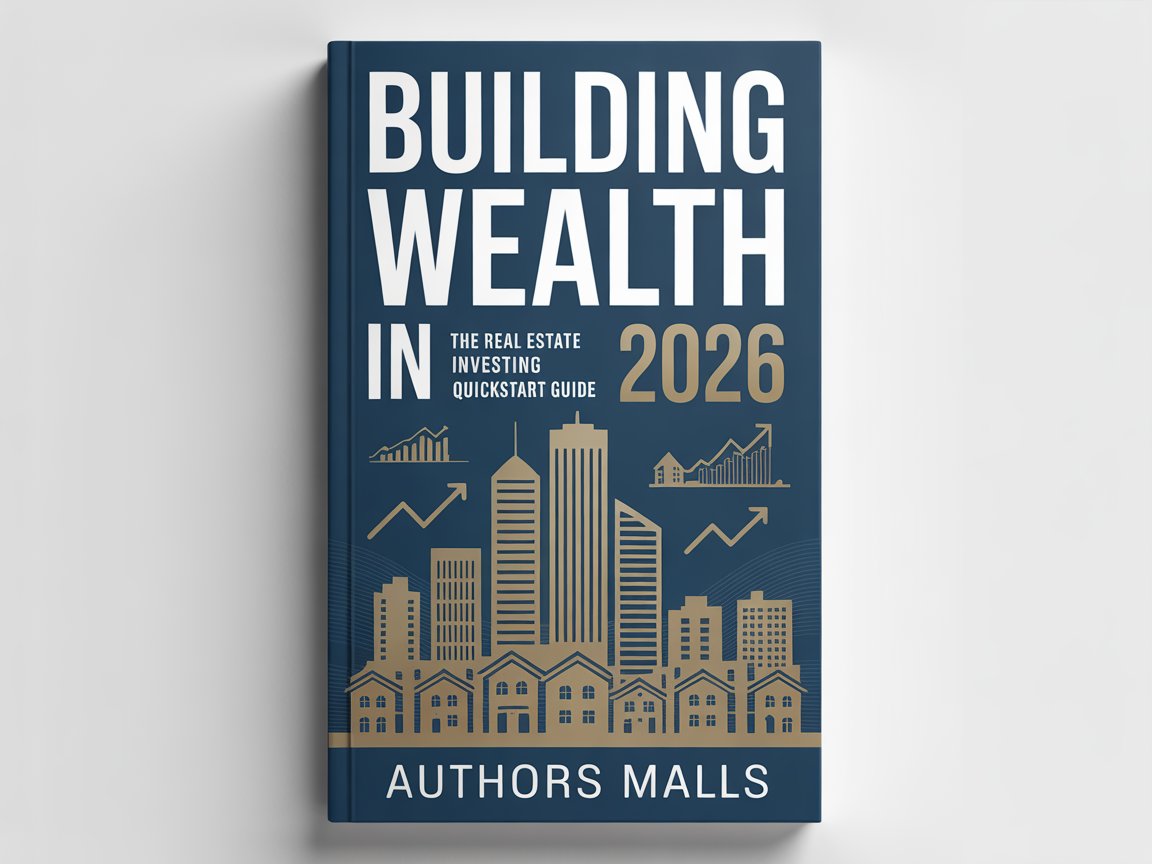
For a structured walkthrough of these exact fundamentals — financing steps, legal basics, and scaling strategy — the Real Estate Investing QuickStart Guide by Symon He is one of the more beginner-focused breakdowns currently available, without the filler that pads out a lot of investing books. It’s a solid starting point before your first deal rather than a replacement for talking to a lender or agent once you’re ready to move.
This article contains affiliate links. If you purchase through them, Dierkrd may earn a commission at no additional cost to you.